


Why Bush Trimming is Essential for Property Management
- Herbert Hunn
- Aug 28, 2025
- 4 min read

Maintaining a property is no small task. From ensuring the roof is intact to keeping the lawn mowed, every detail matters. One often overlooked aspect of property management is bush trimming. While it may seem like a minor chore, bush trimming plays a crucial role in the overall health and appearance of a property.
In this post, we will explore why bush trimming is essential for property management. We will discuss its benefits, best practices, and how it can enhance the value of your property.
The Aesthetic Appeal
First impressions matter. When potential tenants or buyers approach a property, the landscape is one of the first things they notice. Overgrown bushes can make a property look neglected.
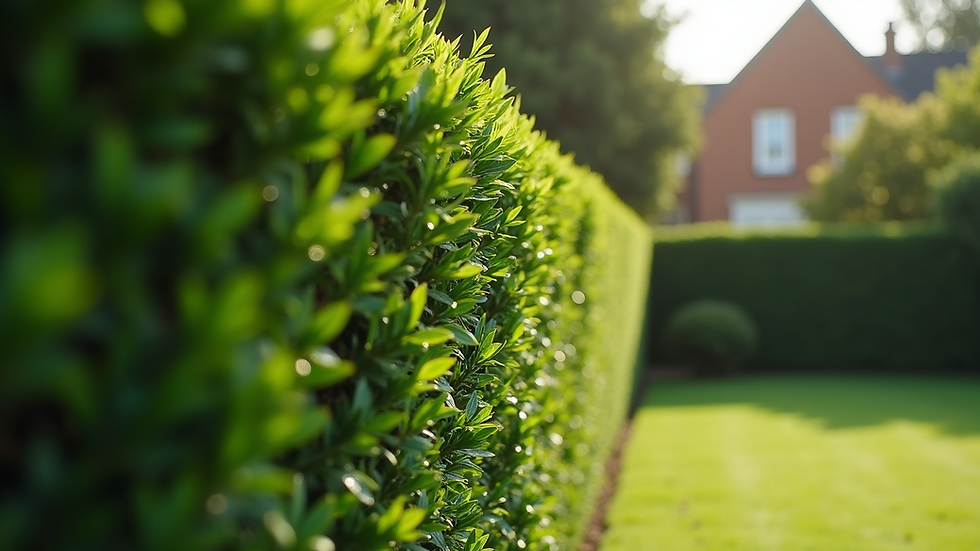
Regular bush trimming helps maintain a neat and tidy appearance. It enhances the overall aesthetic of the property, making it more inviting.
Improved Curb Appeal: Well-trimmed bushes can significantly boost the curb appeal of a property. This is especially important if you are trying to sell or rent the property.
Professional Image: A well-maintained landscape reflects professionalism. It shows that you care about the property and its upkeep.
Health of the Plants
Bush trimming is not just about looks. It is also vital for the health of the plants.
Promotes Growth: Regular trimming encourages new growth. It allows sunlight to reach the inner parts of the bush, promoting healthy development.
Prevents Disease: Overgrown bushes can harbor pests and diseases. Trimming helps remove dead or diseased branches, reducing the risk of spreading illness to other plants.
Encourages Airflow: Proper trimming allows for better airflow around the plants. This can help prevent mold and mildew, which thrive in damp, crowded conditions.
Safety Considerations
Safety is another important reason for regular bush trimming. Overgrown bushes can pose hazards.
Visibility Issues: Bushes that are too tall can obstruct views. This can be dangerous for drivers and pedestrians. Trimming them back ensures clear sightlines.
Trip Hazards: Low-hanging branches or protruding roots can create trip hazards. Regular maintenance helps keep pathways clear and safe.
Pest Control: Overgrown bushes can attract unwanted pests. Regular trimming can help keep these pests at bay, protecting both the property and its occupants.
Cost-Effectiveness
Investing in regular bush trimming can save money in the long run.
Preventative Maintenance: By keeping bushes trimmed, you can prevent larger issues down the line. This includes costly removals or treatments for diseases.
Increased Property Value: A well-maintained landscape can increase the value of a property. This is especially true in competitive real estate markets.
Lower Utility Bills: Properly trimmed bushes can help with energy efficiency. They can provide shade in the summer, reducing cooling costs.
Best Practices for Bush Trimming
To get the most out of bush trimming, it is essential to follow best practices.
Know the Right Time: Different plants have different trimming needs. Research the best time to trim each type of bush. Generally, late winter or early spring is a good time for most species.
Use the Right Tools: Invest in quality tools for trimming. Sharp shears and pruners make the job easier and more effective.
Follow Proper Techniques: When trimming, avoid cutting too much at once. Aim to remove no more than one-third of the bush at a time. This helps prevent shock to the plant.
Clean Up After Trimming: After trimming, clean up the debris. This not only keeps the area looking tidy but also prevents pests from taking up residence in the cuttings.
Hiring Professionals vs. DIY
When it comes to bush trimming, you have two main options: do it yourself or hire professionals.
DIY: If you have the time and tools, trimming bushes yourself can be a rewarding task. It allows you to take control of your property’s appearance.
Hiring Professionals: If you have a large property or lack the time, hiring professionals may be the best option. They have the experience and tools to do the job efficiently.
Consider your budget and the size of your property when making this decision.
Seasonal Considerations
Bush trimming is not a one-time task. It should be part of your seasonal property management routine.
Spring: This is the best time for most trimming. It prepares the plants for new growth.
Summer: Light trimming can be done to maintain shape and remove any dead branches.
Fall: This is a good time to prepare bushes for winter. Trim back any overgrowth to protect them from harsh weather.
Winter: In some cases, winter trimming can be beneficial. However, be cautious as some plants are dormant and should not be disturbed.
The Environmental Impact
Bush trimming also has environmental benefits.
Encourages Biodiversity: Well-maintained bushes can support local wildlife. They provide habitats for birds and beneficial insects.
Improves Air Quality: Healthy plants contribute to better air quality. They absorb carbon dioxide and release oxygen, making the environment healthier.
Reduces Erosion: Bushes can help prevent soil erosion. By keeping them trimmed, you ensure they remain healthy and effective at holding soil in place.
Conclusion: A Trimmed Path to Success
In summary, bush trimming is an essential aspect of property management. It enhances the aesthetic appeal, promotes plant health, ensures safety, and can save money in the long run.
By following best practices and considering seasonal needs, you can maintain a beautiful and healthy landscape. Whether you choose to do it yourself or hire professionals, regular bush trimming will pay off in many ways.
Investing time and effort into this task will lead to a well-maintained property that stands out in the neighborhood.


Comments